
Psychology of Videogames
Development - Characters - Gameplay
From the sacred rituals of online communities to the moral dilemmas of post-apocalyptic worlds, this section explores how games mirror — and shape — human psychology. Discover how cognition, emotion, identity, and storytelling collide in digital spaces, revealing what play can teach us about ourselves, our culture, and the worlds we build together.

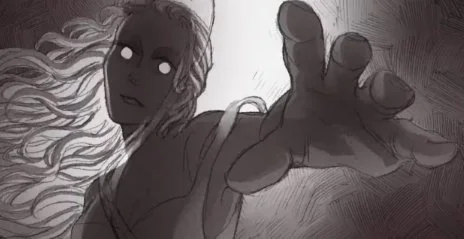
A Mind Unravelling: Slay the Princess as a Metaphorical Narrative of Dementia
A psychological reading of Slay the Princess as a metaphor for dementia, memory loss, identity fragmentation, caregiving, and the emotional residue that remains when the self begins to fray.
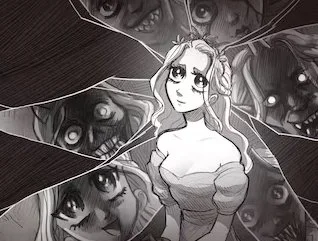
The Hero Forgets, But the Player Remembers: Memory as Game Design in Slay the Princess
A psychological game design reading of Slay the Princess, exploring how memory, forgetting, player knowledge, the Voices, and the Princess create identity across loops.
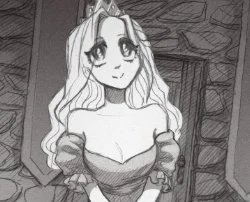
How Slay the Princess Turns Choice Into Psyche
A psychological game design reading of Slay the Princess, exploring ludonarrative selfhood, player choice, internal Voices, procedural psychology, and how the game turns repeated action into identity.
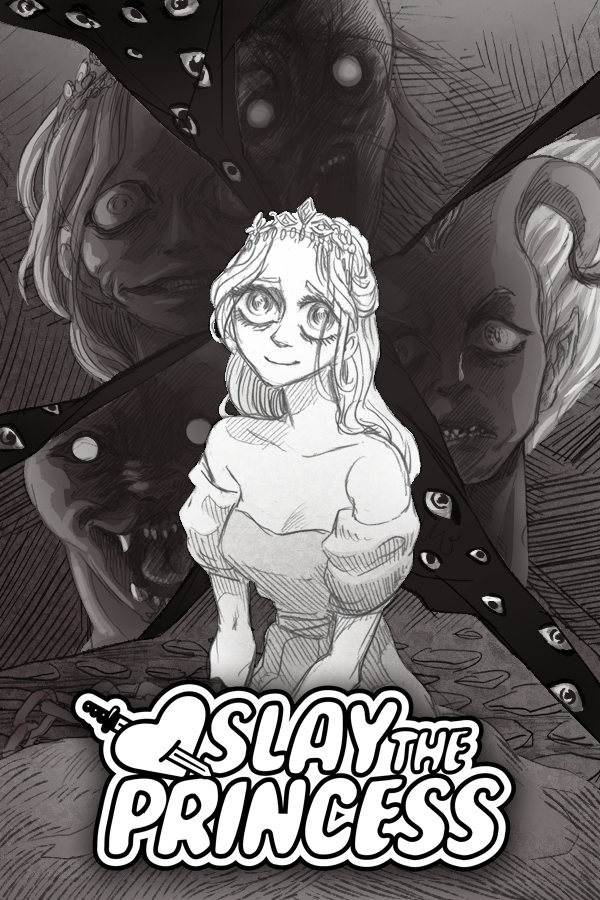
Slay the Princess and the Ethics of Narrative Control: Who Gets to Define the Monster?
A psychological and ethical reading of Slay the Princess, exploring narrative control, moral agency, unreliable authority, player choice, and who gets to define the monster.
From Damsel to Decision-Maker: Gender Representation and Agency in Slay the Princess
A psychological reading of Slay the Princess as a subversion of the princess trope, exploring gender representation, agency, moral ambiguity, narrative control, and the fear of female power.