

Mind Over Media
Welcome to Mind Over Media, where we decode the psychology behind your favourite movies, TV shows, music, and pop culture moments. From deep-diving into complex characters to analyzing the lyrics that hit home, we explore the hidden psychological themes shaping the media we love. Whether it’s the mental struggles of iconic protagonists, the psychology of villains, or the deeper meaning behind a song’s lyrics, this is where entertainment meets the mind.
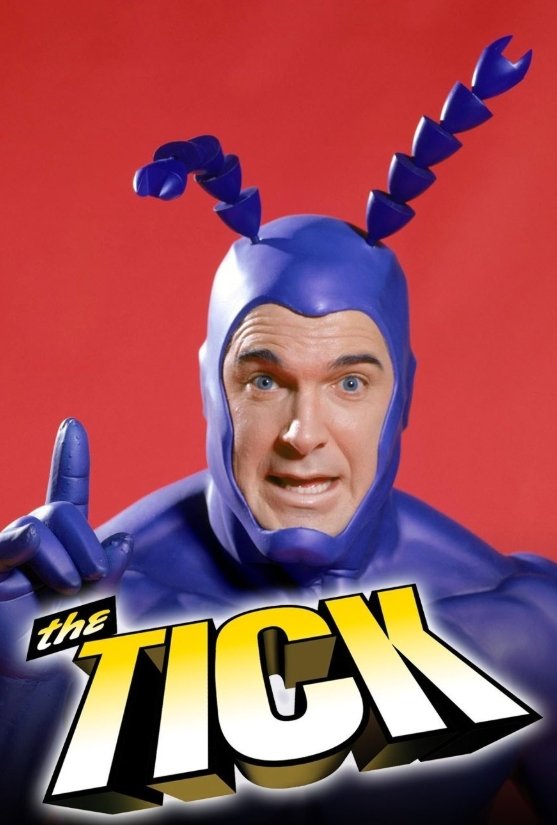
The Man Beneath the Mask Does Not Exist: The Psychology of The Tick
A psychological analysis of The Tick, exploring identity, moral certainty, Arthur, and the queer romcom subtext of the 2001 live-action series.

742 Evergreen Terrace Is a Memory: Why The Simpsons’ House Never Stays the Same
Could the changing layout of the Simpson family home and its floating timeline reflect reconstructive memory and the way stories are retold?

Dr Jekyll and the Lies Respectable Men Tell Themselves
A 2026 reflection on Dr Jekyll and Mr Hyde, masculinity, male violence, privilege, and the comforting lie that Hyde is someone else.

Mr Brightside: The Psychology of Jealousy, Rumination, and the Stories We Torture Ourselves With
A psychologically grounded reading of Mr Brightside as more than a jealousy anthem: a song about rumination, humiliation, imagined betrayal, and the stories we torture ourselves with.

Poutyface, Band Aid, and the Wound of Having to Look After Yourself Too Early
A psychological reading of Poutyface’s Band Aid, exploring childhood wounds, Winnicott’s False Self, invalidating environments, attention-seeking, and the desire to be seen beyond pain.

The Psychology of Little Red Riding Hood: Fear, Trust, and the Wolf at the Door
A psychological reading of Little Red Riding Hood, exploring fear, trust, childhood vulnerability, predation, obedience, sexuality, and why the wolf remains such a powerful symbol.

In Defence of the Mary Sue: Why Cringe Is Part of Becoming a Writer
The Mary Sue is often mocked as bad writing, but she also reveals something important about wish fulfilment, identity, fan fiction, gendered criticism, and why cringe is part of learning to write.

The Psychology of Marvel Films: Why Superheroes Comfort Us, and Why They Started to Feel Tired
Marvel films became more than superhero entertainment. They offered comfort, moral clarity, grief, humour, spectacle, and shared belonging, but the same formula that made them powerful also helped create superhero fatigue.

The Zombie Ethics Committee: Psychological Research at the End of the World
If zombies existed, could psychologists ethically study them? A darkly playful look at consent, sentience, personhood, public safety, and the research ethics of the undead.

Pingu, Bandura, and the Strange Psychology of Screen Imitation
Pingu, Bandura, and the psychology of screen imitation. A Simply Put Psych look at what children really copy from cartoons, and why behaviour on screen sticks.

RoboCop, Brain Ageing, and the Problem of a Human Mind in a Weapons Platform
Could RoboCop get dementia, PTSD flashbacks, or cognitive decline? This Simply Put Psych essay explores brain ageing, trauma, neurodegeneration, and the danger of a human mind inside a heavily armed cyborg body.

Applied Psychoanalysis in Modern Media: Why Freud Fits Television and Jung Fits Video Games
Why does Freud seem to fit television while Jung feels at home in video games? This article explores how different media forms invite different psychoanalytic readings.

Goldilocks, Moral Leniency, and the Psychology of Privilege
Why do we view Goldilocks as a curious child instead of a criminal? Explore the moral psychology of "The Three Bears" through the lens of the halo effect, adultification bias, and the structural leniency of white privilege. A deep dive into how identity filters our sense of justice.

Jung in Japanese Media: Not a Borrowed Theory, a Shared Grammar
Why Japanese media feels so Jungian. A cultural psychology essay on archetypes, shadow, identity, and the shared symbolic language of the psyche.

Gods, Billionaires, and the Psychology of Power
A psychological thought experiment comparing DC and Marvel to explore power, hierarchy, fear of the other, billionaires, and how superhero myths mirror real world politics.
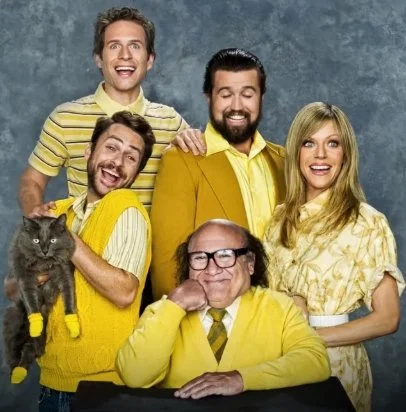
Sunny Side Up: An Apocalyptic Freudian Reading of It's Always Sunny in Philadelphia
A Freudian analysis of It’s Always Sunny in Philadelphia, showing how the Gang replaces the ego and reality principle with schemes, desire, and corrupted morality.

Girl Power on Arrakis
What happens when Girl Power lands on Arrakis? A sociological case study using absurdity to expose power, gender norms, and cultural repression.
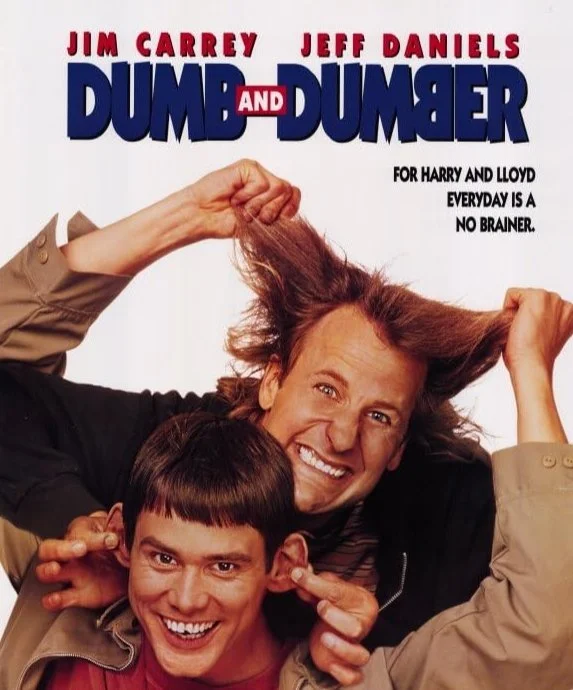
When Comedy Gets There First: Dumb and Dumber, Dunning–Kruger, and the Sociology of Confidence
A psychology and sociology think piece exploring how Dumb and Dumber unintentionally mapped the Dunning-Kruger effect years before it was formally identified, and what that reveals about confidence, ignorance, and media.

What Makes a Christmas Film a ‘Christmas Film’? A Narrative Psychology Breakdown
Discover the narrative psychology behind what makes a Christmas film feel “Christmassy.” Explore ritual, emotion, myth, nostalgia and cultural meaning.

Moral Psychology and the Neo Architect Encounter: The Matrix as a Trolley Problem Without Easy Answers
A deep analysis of Neo’s choice in The Matrix Reloaded, exploring moral psychology, the trolley problem, determinism, and the ethics behind the Architect’s dilemma.