When Seeing Is No Longer Believing
There was a time, not especially long ago, when “I saw it with my own eyes” was one of the stronger things a person could say.
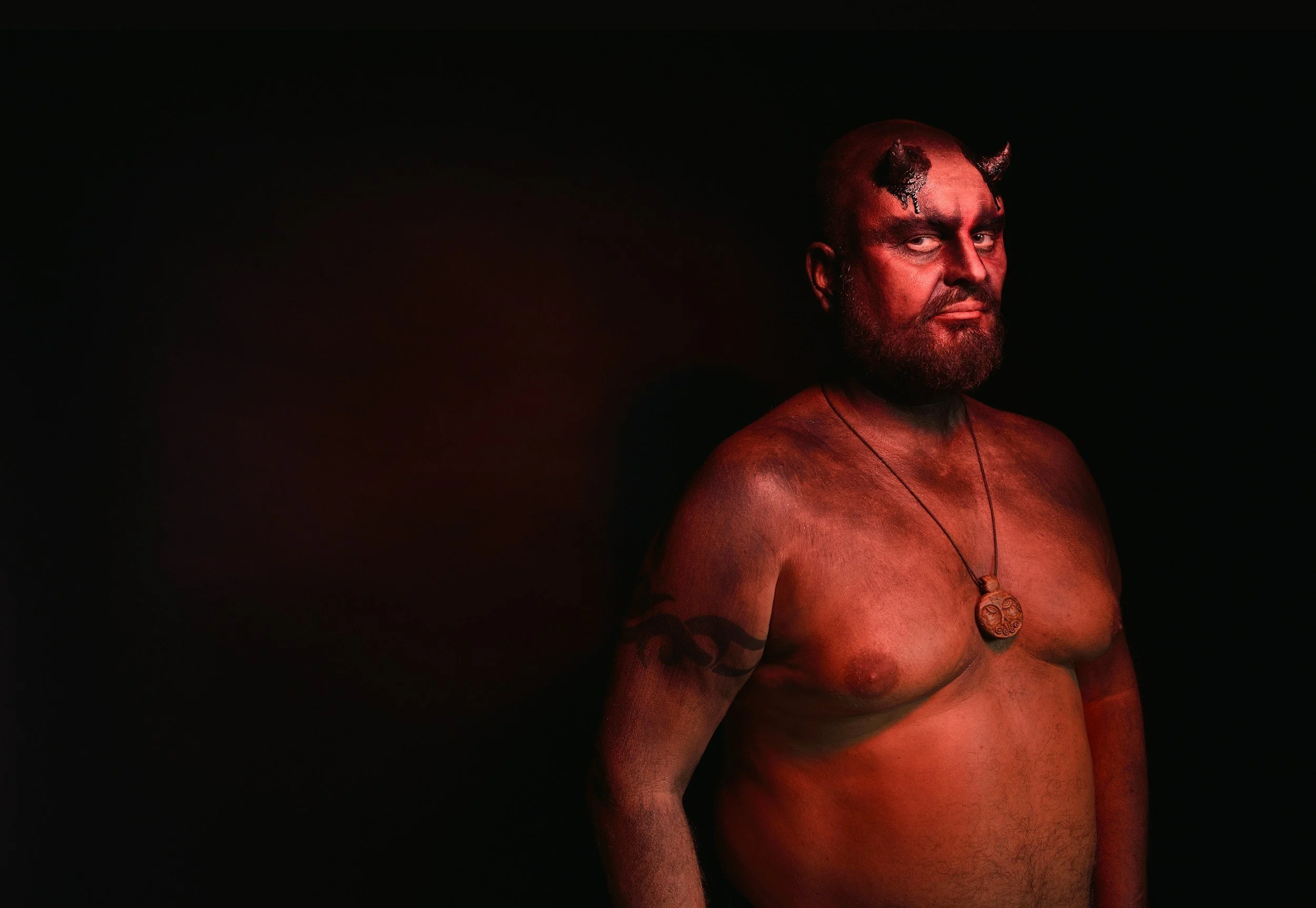
It did not make them automatically right, obviously. Human beings have always been quite capable of seeing half a thing, misremembering most of it, then retelling it with the emotional confidence of a village elder describing a goat-shaped demon. But visual evidence still had weight. If there was a video, people treated it as a different category of proof. Imperfect, yes. Selective, often. Edited, possibly. But anchored to something.
That assumption is now collapsing.
The Emotional Force of Fake Footage
AI video is not simply another form of misinformation. It is not fake text in a shinier coat. It attacks something more basic: the human habit of treating sight as a shortcut to truth. A written lie asks us to believe a claim. A convincing fake video lets us feel as though we have witnessed an event.
That difference is not cosmetic. It changes the psychological force of the lie.
A fabricated article can mislead people. A fake screenshot can push a rumour into circulation. But a realistic video can produce the emotional residue of an experience that never happened. Someone watches a clip of a protest, a migrant attack, a politician’s confession, a police incident, a teacher rant, a war crime, a school threat, or a public figure saying something grotesque, and before anyone has checked whether it is real, the body has already responded.
Anger arrives first. Disgust follows. The tribe assembles. The correction turns up later in sensible shoes, carrying a link to a fact-check, and discovers that nobody is particularly in the mood.
It Does Not Need to Fool Everyone
This is where AI video starts to feel socially dangerous. It does not need to fool everyone. It only needs to fool enough people for long enough. More precisely, it needs to give people who already want to believe something the emotional permission to believe it harder.
That is the part I think we are still underestimating.
We often talk about misinformation as though the central problem is ignorance. People lack information, so they believe false things. There is some truth in that, but it is a slightly comforting version of the problem because it implies the cure is better information. Teach people to check sources. Add labels. Provide media literacy. Encourage scepticism. Lovely. Sensible. Good luck getting that done before the furious clip has been watched, shared, stitched, narrated over, monetised, and used as proof that civilisation is being destroyed by whichever group the viewer already disliked yesterday.
The more awkward truth is that misinformation often works because it gives people something they are psychologically ready to receive. It offers a villain. It confirms a suspicion. It makes anxiety feel like insight. It turns social resentment into evidence. It gives free-floating dread somewhere to land.
The Problem With “Seeing”
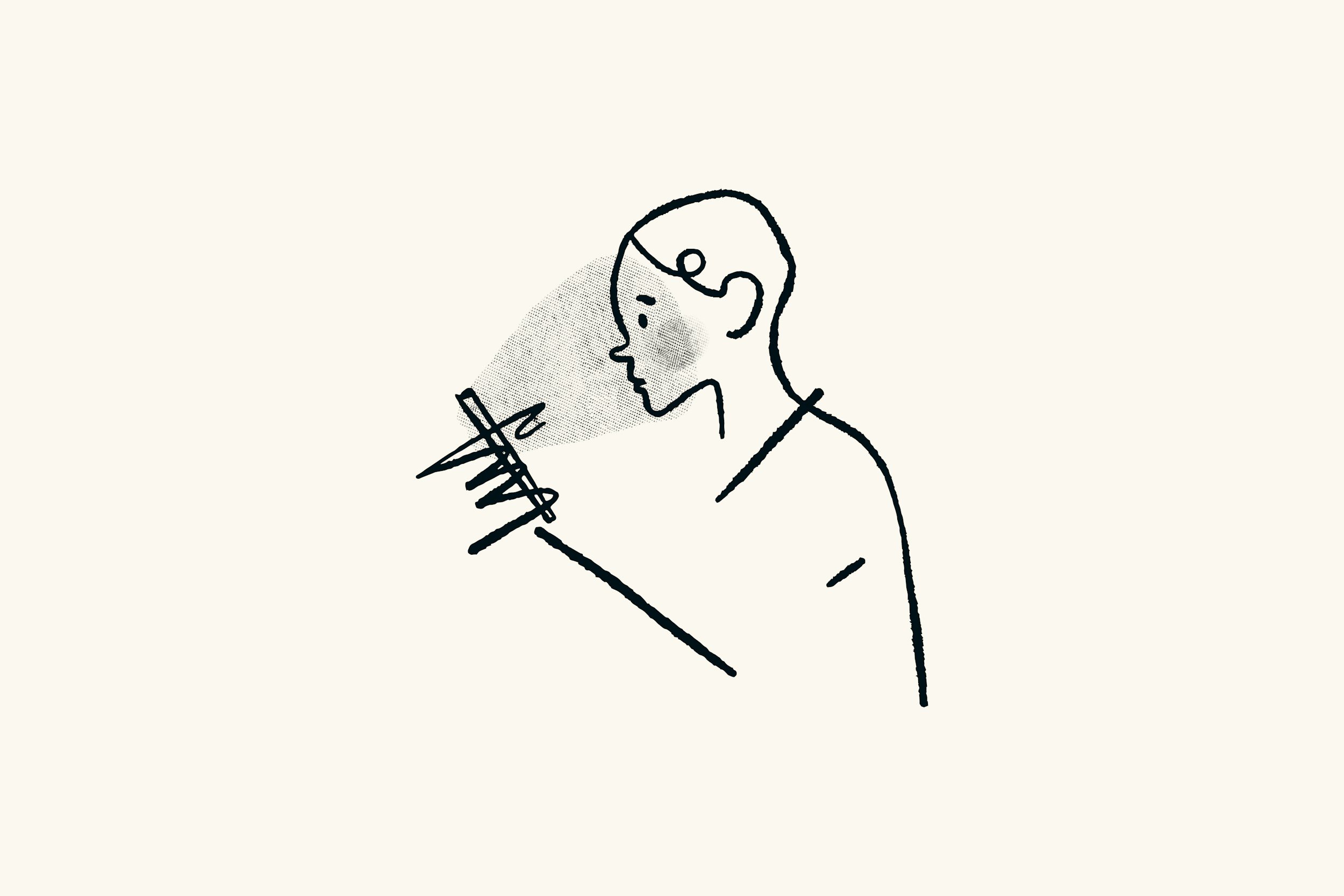
AI video makes this worse because it bypasses some of the normal friction. Reading a claim still leaves a little gap where thought might occur, if thought is having a good day. Seeing a video feels more immediate. It arrives dressed as experience. The viewer does not merely learn that something supposedly happened. They feel as if they have witnessed it.
That feeling is powerful. It is also dangerously sticky.
Corrections struggle because they arrive in the wrong psychological format. The original fake is vivid, emotional, simple, and shareable. The correction is usually cautious, procedural, and boring in the way that truth often is when it has been forced to put on office wear. It says the video may be misleading. It says the source is unverified. It says the clip appears to contain synthetic elements. It says there is no evidence the event occurred.
All of that may be accurate. None of it can easily compete with the memory of seeing the thing.
Scale Changes the Problem
This is not because people are uniquely stupid now. People have always been vulnerable to visual persuasion, rumour, panic, moral disgust, group loyalty, and stories that make their enemies look exactly as bad as they hoped. The new problem is scale. We have built platforms that can distribute emotional certainty faster than context, and now we are handing those platforms synthetic footage that looks increasingly plausible.
That is when this stops being a novelty problem and becomes a social infrastructure problem.
Option One: Ban It All?
The obvious response is to say: ban it. Ban AI video. Shut the whole thing down. Remove the button. Drop the button into the sea. Send a priest after the button.
I understand the appeal.
But a total ban is probably fantasy. The tools will exist. Models will leak. Open-source versions will circulate. Other jurisdictions will host them. People who want to do malicious things are not famous for politely stopping because a rule has asked them to. A full ban would also crush plenty of legitimate uses: film, satire, education, accessibility, translation, restoration, art, games, parody, and all the strange harmless nonsense people make online because the human species apparently needed raccoons delivering Shakespearean monologues.
So the question is not whether AI video should exist at all. The question is what we do when synthetic realism becomes easy enough to weaponise by bored men with grievance, broadband, and a working knowledge of outrage.
Option Two: Ban the Worst Uses
A ban might work for specific uses, and in those cases it should be taken seriously. Fake evidence, deceptive impersonation, non-consensual sexual deepfakes, synthetic hate propaganda, fake crisis footage, election manipulation, and realistic videos designed to frame someone for something they did not do should not be treated as cheeky internet creativity.
They are not harmless experiments. They are attacks on reputation, safety, public trust, and sometimes the rule of law.
But banning the entire medium is too blunt. It would be easy to overreach, hard to enforce, and likely to leave the worst actors underground while everyone else fills in compliance forms until their soul quietly leaves the room.
Option Three: Regulate the Dangerous Tools
Strict licensing and regulation seems much more plausible, especially for high-risk systems capable of creating realistic footage of real people, public events, disasters, crimes, protests, wars, elections, children, or news-style scenes. Not every daft AI video needs a regulatory priest standing over it with a clipboard. But a tool that can fabricate convincing footage of a riot, a confession, a terrorist attack, or a politician calling for violence should not be treated like a novelty filter.
The danger is not the existence of synthetic media in itself. The danger is synthetic media that can be mistaken for evidence.
That means the serious regulatory focus should fall on capability, context, and distribution. If a system can generate realistic public-interest footage, it should have obligations built in from the start. Provenance. Watermarking. Abuse logging. Limits on impersonation. Restrictions around elections and crises. Clear records of high-risk outputs. Legal liability when companies knowingly enable mass deception.
This is not anti-creativity. It is the basic expectation that when your product can help set fire to public reality, you do not get to call yourself a neutral platform and hide behind the sofa.
Option Four: Trusted Sources Without a Ministry of Truth
The third option is trusted source status for news and public-interest media. This has legs, but it has to be handled carefully.
We do need ways to distinguish verified footage from synthetic or unverified footage. A visible provenance layer could help: who captured it, when it was created, whether it has been edited, whether a newsroom has verified it, whether it came from a known device, whether it has lost its metadata, whether it appears to be AI-generated. Something like a nutrition label for media would be better than the current arrangement, where every user is expected to become a miniature forensic lab while half-asleep on the toilet.
But “trusted source” can become dangerous if it quietly turns into “approved truth.” Citizen journalism matters. Local footage matters. Protest footage matters. Whistleblowing matters. Some of the most important images in history did not arrive with a polished institutional stamp and a tasteful lower-third graphic. We should be wary of building a system where reality is only considered real once a large organisation has blessed it with a logo.
The better distinction is not official versus unofficial. It is provenanced versus unprovenanced, verified versus unverified, synthetic versus authentic, altered versus original, disputed versus confirmed.
The point should not be to create a Ministry of Reality. The point should be to stop fake media being algorithmically hurled into millions of brains before anyone has had a chance to ask where it came from.
The Real Danger Is Amplification
This is where platforms have to carry more responsibility. The most dangerous stage is not always creation. It is amplification.
A fake video sitting on a dead account with three views is unpleasant, but limited. A fake video pushed by recommendation systems into the bloodstream of a country is something else entirely. Platforms cannot keep pretending they are passive noticeboards when their systems decide what gets velocity, what gets outrage, and what gets converted into social fact.
If a clip claims to show a real public event, especially during an election, riot, war, terror attack, public-health scare, school incident, or intergroup conflict, the platform should not treat virality as a neutral reflection of public interest. It should slow the clip down until provenance is clearer. It should remove monetisation. It should reduce algorithmic boosting. It should make uncertainty visible. It should put friction between outrage and mass circulation.
This will annoy people who believe every act of moderation is tyranny, unless it benefits their side, in which case it becomes common sense. Still, the alternative is worse. A society cannot run on the principle that any emotionally powerful video gets maximum reach until proven fake three days later.
By then, the clip has already done its job.
When Everything Can Be Fake
The psychological damage is not limited to individual false beliefs. It corrodes the shared assumption that there is a reality outside our factions. When people are exposed to enough fake or possibly fake media, two things can happen, and both are grim.
First, they may believe the fakes that suit them.
Second, they may stop believing real footage when it is inconvenient.
That second effect may be even more dangerous. If any video can be dismissed as AI, then evidence itself becomes negotiable. Police brutality can be called fake. War crimes can be called staged. Corruption can be called synthetic. A public figure can deny their own words and wait for their supporters to repeat the magic spell: you can’t trust anything anymore.
At that point, AI video does not merely create falsehoods. It gives bad actors a fog machine.
The result is a world where belief becomes more tribal, not less. People will not stop believing in reality. They will outsource reality to whichever group makes them feel safest, angriest, or least humiliated. That is not scepticism. It is dependency wearing a clever hat.
A Layered Response
So perhaps the solution has to be layered.
Ban the clearest harms. Regulate the most dangerous tools.
Make synthetic public-interest video traceable by design.
Require provenance signals wherever possible. Slow down unverified viral footage.
Make platforms responsible for amplification, not merely hosting.
Protect satire, art, and legitimate creative use.
Give victims fast takedown rights and proper legal remedies.
Treat fake evidence as a serious public harm rather than another moderation headache to be buried under a button marked “report content.”
And perhaps most importantly, stop pretending that media literacy alone can carry this.
Media literacy is useful. It is worth teaching. People should learn to pause, check sources, reverse-search images, look for context, and resist the sweaty little thrill of instant certainty. But asking the public to personally authenticate every emotionally explosive clip they encounter is not a solution. It is an unpaid second job in epistemic pest control.
Most people are tired. They are scrolling between work, bills, family stress, health worries, political dread, and whatever fresh absurdity the internet has coughed onto their lap. They are not going to run a forensic analysis every time a video appears with a caption saying, “They don’t want you to see this.”
Simply Put
A healthy information environment cannot depend entirely on heroic individual scepticism. It needs guardrails, delays, provenance. It needs consequences for people who manufacture fake reality and then act surprised when other people live inside it.
None of this will solve the problem completely. That is worth admitting. There will always be fakes. There will always be liars. There will always be people who prefer a useful falsehood to an inconvenient truth. Human beings were managing that perfectly well before anyone gave them generative video.
But we can make the weaponisation harder. We can make the spread slower, make the source clearer, we can stop rewarding the most inflammatory material simply because it makes people furious. We should all refuse to build a society where the fastest lie wins by default and the truth is left filing an appeal.
The old phrase may need retiring. “I saw it with my own eyes” used to mean something sturdy. Increasingly, it may only mean that someone, somewhere, wanted you to feel as if you had.
And that is the part that should worry us.
Not because people are hopeless.
Because people are human.
Table of Contents