
Here is our safe space for reflections, insights and thoughtful musings on topics related to anything and everything and not just psychology. It is not a formal academic outlet, but rather a casual and eclectic exploration of our interests and observations.


Is Social Media Eroding Our Sense of Object Permanence?
Explores how social media is changing our relationship with object permanence

Psychological themes in Shakespeare's works: A Brief Overview
Shakespeare's works are renowned for their exploration of complex psychological themes, often delving into the intricacies of the human mind, motivations, and emotions.

The Impact of AI on Academic Progress
Explore both the positive and negative impacts of AI on academic progress, and how it is reshaping the future of education.

The Impact of Psychology on Modern Society
We explore the key ways psychology has revolutionized modern society.

Social Constructs That Make No Sense: the Irrationalities of Society
Social constructs shape our lives in ways we rarely question. They are ideas or perceptions created and accepted by society, yet they often have little basis in logic or necessity.

The Tension Between Undesirable Human Traits and Social Standards
Delve into several facets of human nature that are deemed socially unacceptable, exploring the psychological underpinnings and societal implications of these behaviours.

Reframing Reality: Uncomfortable Truths About Human Nature
The disappointing psychological findings discussed in this essay reveal the complexities and limitations of human cognition and behaviour.

The Silencing Algorithm: How Content Demonetization Stifles Public Discourse
Explore how these censorship practices shape the collective narrative, often in ways that may not benefit the public good.

Themes and Symbolism in Frankenstein
This article delves into the psychological dimensions of "Frankenstein," examining key themes and symbols that contribute to its enduring relevance.

Why Wine Tastes Better When It Costs More: The Psychology of Taste
Wine taste is not just chemistry. Expectations, price, labels, colour, aroma, mood, music, and social cues all shape how wine tastes, or how we think it tastes.
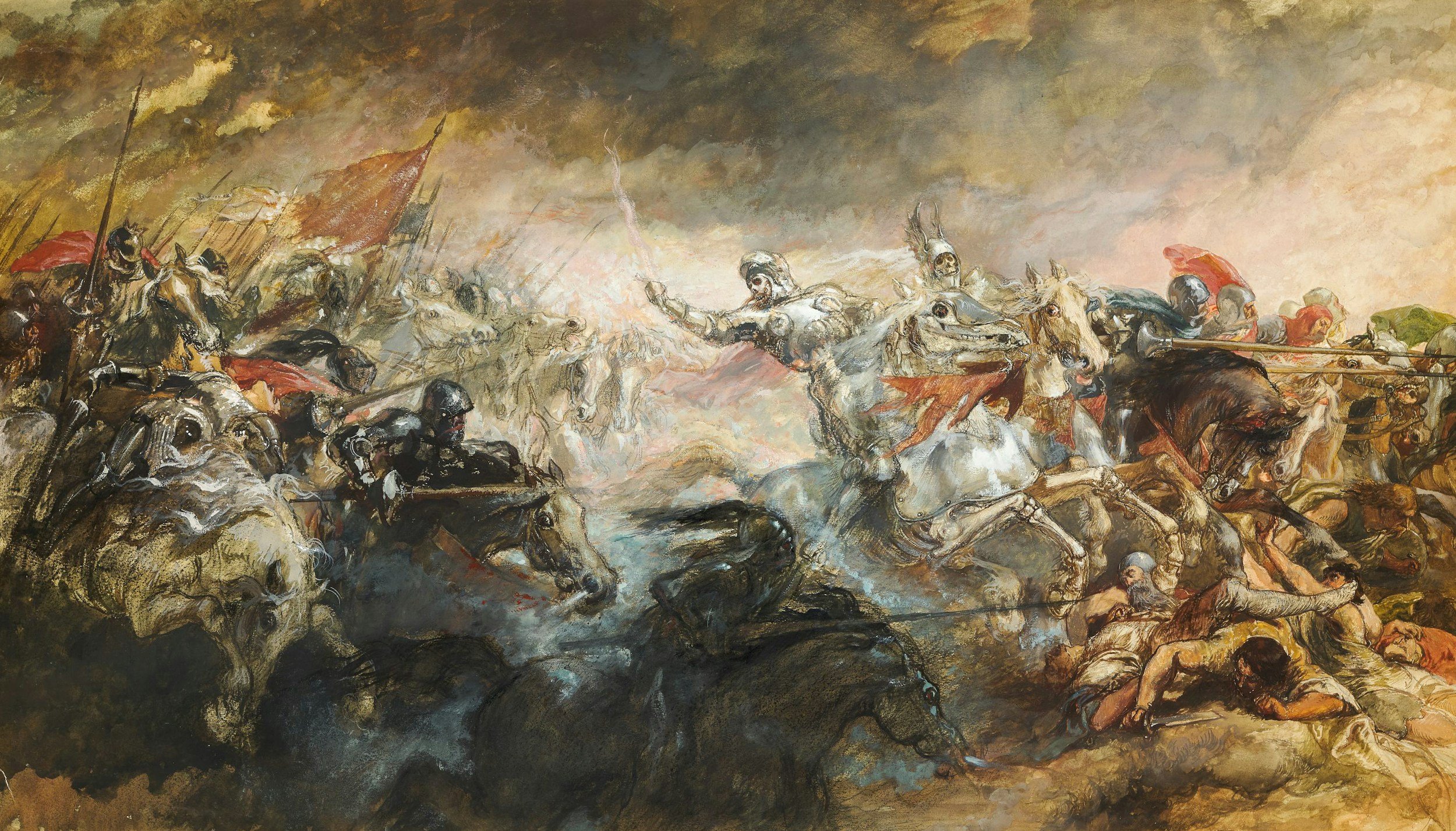
Did People Have PTSD in the Middle Ages? Trauma, War, and Medieval Minds
PTSD is a modern diagnosis, but trauma is not a modern invention. This essay explores medieval war, fear, nightmares, guilt, moral injury, and the difficulty of reading trauma in historical sources.

Parasocial Relationships: Why Strangers on Screens Can Feel Like People We Know
Parasocial relationships explain why influencers, celebrities, streamers, podcasters, and fictional characters can feel strangely familiar. Here is the psychology behind one-sided bonds in modern media.

Cosmic Horror: Psychological Dimensions and Implications
Cosmic horror, a subgenre of horror fiction, delves into the fear of the unknown and the insignificance of humanity in the grand scheme of the universe. Pioneered by authors like H.P. Lovecraft, cosmic horror evokes a sense of existential dread and helplessness. This article explores the psychological dimensions and implications of cosmic horror, supported by insights from peer-reviewed research.
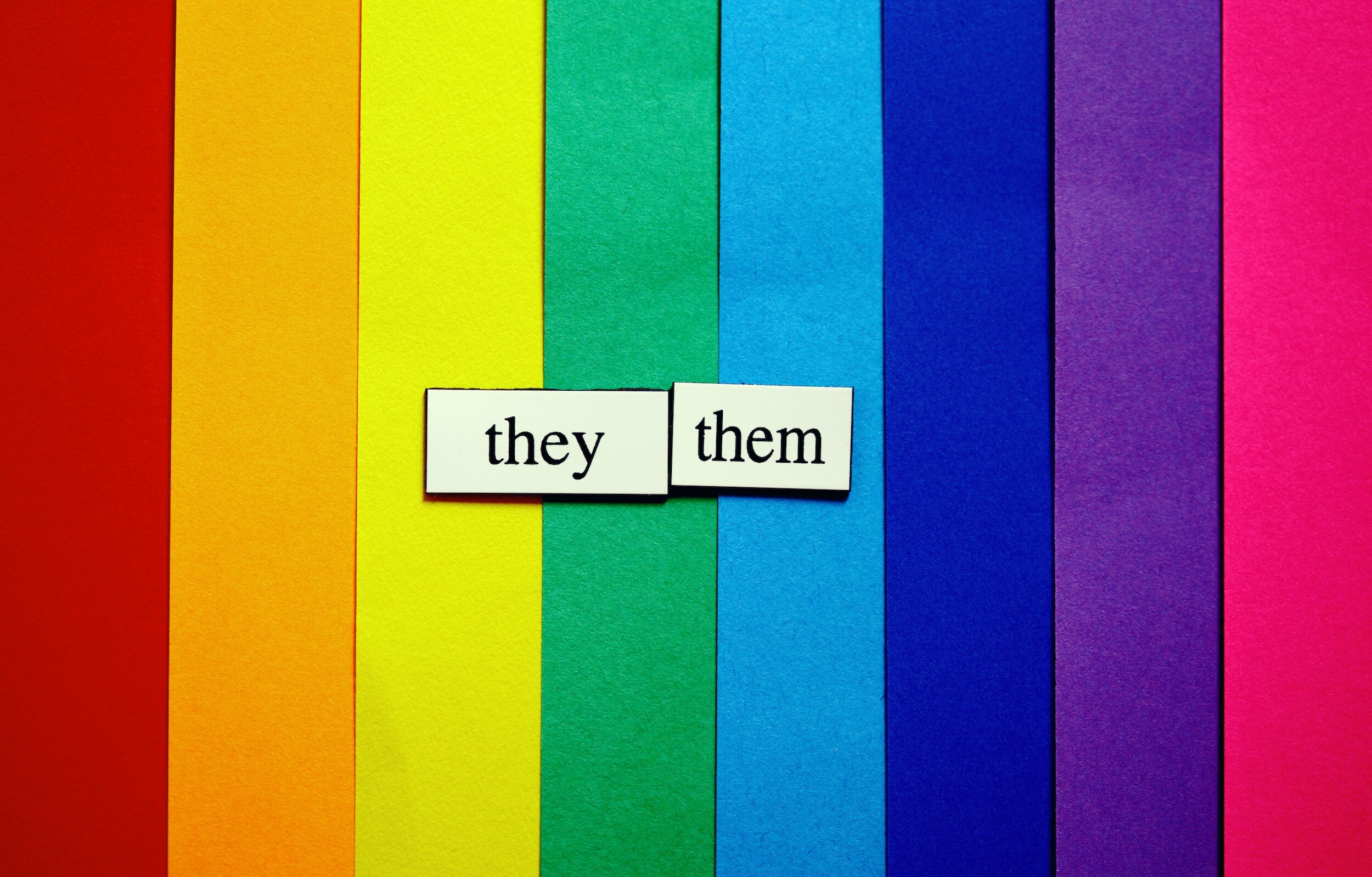
Pronouns, Politeness, and the Strange Confidence of Guessing
Pronouns are small words doing a lot of social work. This Monday Musing explores gendered pronouns, misrecognition, language change, and why the future may not be pronoun obsolescence, but assumption obsolescence.

Real Morality Is Messier Than the Trolley Problem
The trolley problem helped shape moral psychology, but real ethical life is usually messier. Here’s why psychology needs dilemmas involving complicity, delay, identity, institutions, and collective harm.

The Trolley Problem Problem: Why Sacrificial Moral Dilemmas Feel Cleverer Than They Are
Sacrificial moral dilemmas like the trolley problem are useful for studying moral judgement, but they can make ethics look cleaner, colder, and more certain than real moral life usually is.

The Moral and Ethical Implications of Conducting Psychological Research on Zombies.
In this thought piece, we delve into the complex considerations surrounding the study of zombies during a hypothetical zombie apocalypse, exploring the boundaries of scientific inquiry, the rights of sentient beings, and the ethical responsibilities of researchers.