
Psychology of Videogames
Development - Characters - Gameplay
From the sacred rituals of online communities to the moral dilemmas of post-apocalyptic worlds, this section explores how games mirror — and shape — human psychology. Discover how cognition, emotion, identity, and storytelling collide in digital spaces, revealing what play can teach us about ourselves, our culture, and the worlds we build together.


Press Start to Feel Better: Mood Management, Gamer Motivation, and the Psychology Behind Game Choices
Explore how Mood Management Theory, Bartle’s taxonomy, Nick Yee’s gamer motivations, and PETGaMo together reveal the psychology behind why players choose games to regulate moods and achieve psychological balance.

Rage Quit or Power Up? Understanding Frustration in Video Games
Delve into the psychological underpinnings of frustration in video games, exploring its causes, effects, and potential benefits

Psychological Theories of Motivation in Video Game Development
Explore key psychological theories of motivation, including Self-Determination Theory, Flow Theory, and Reinforcement Theory, and examines how they can be applied to video game development.
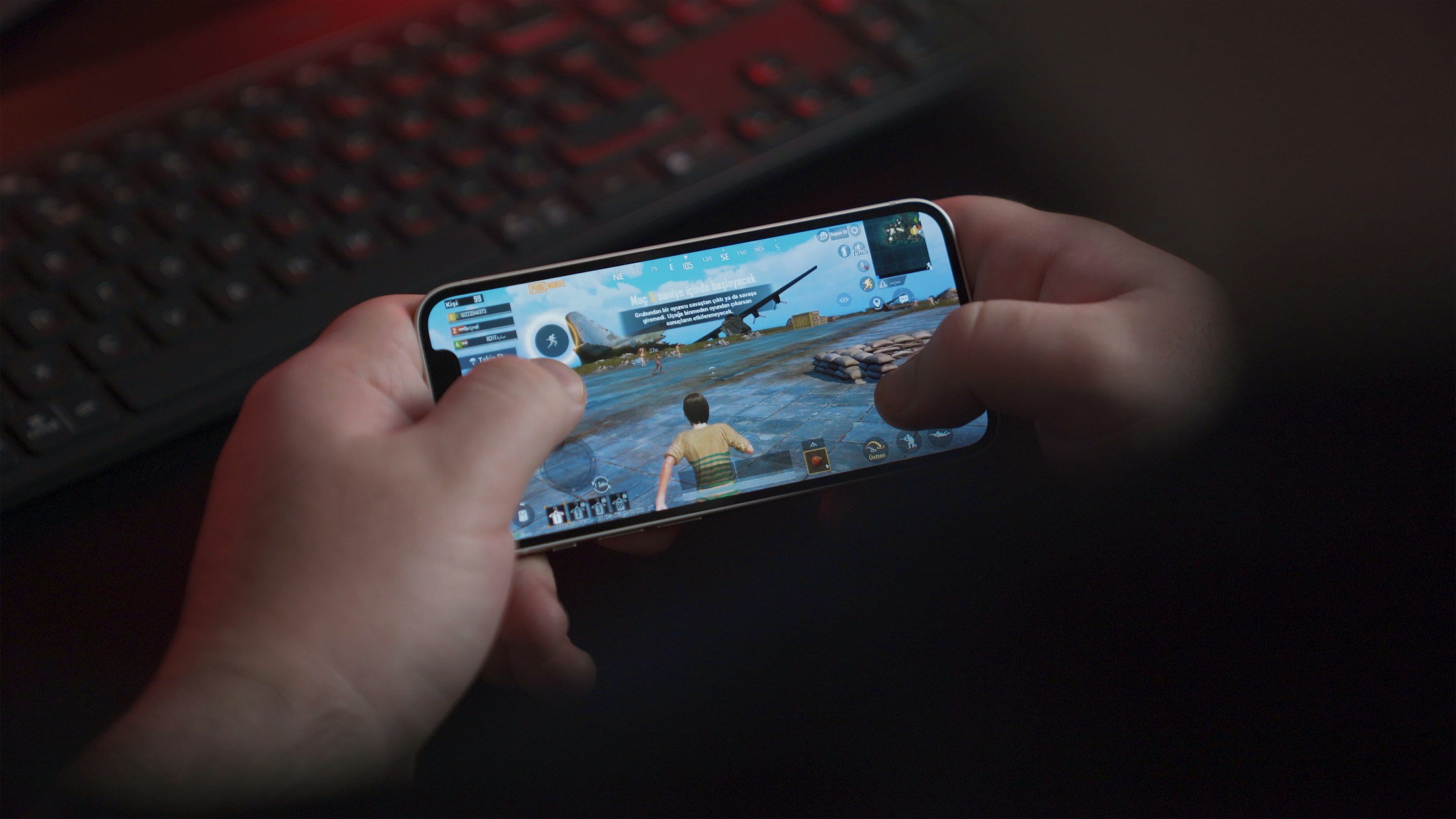
The Psychology of UX Design in Video Games: Why Good Design Feels Invisible
Video game UX design is deeply psychological. From feedback and flow to cognitive load, motivation, and social pressure, good game design helps players understand what is happening without making them feel like they are reading a manual with buttons.

Why We Spend: The Psychology of Virtual Currencies in Online Games
Why do gems, coins, points and V-Bucks make in-game spending feel easier? The psychology of virtual currencies explains how games soften the pain of paying, blur real costs, and create ethical concerns around microtransactions.

The Psychology of In-Game Rewards: How Video Games Keep Us Hooked
Why do loot, levels, XP, achievements and unlocks feel so satisfying in video games? The psychology of in-game rewards explains how games use progress, feedback, uncertainty and status to keep players engaged, and where good design can become manipulative.