
Psychology of Videogames
Development - Characters - Gameplay
From the sacred rituals of online communities to the moral dilemmas of post-apocalyptic worlds, this section explores how games mirror — and shape — human psychology. Discover how cognition, emotion, identity, and storytelling collide in digital spaces, revealing what play can teach us about ourselves, our culture, and the worlds we build together.

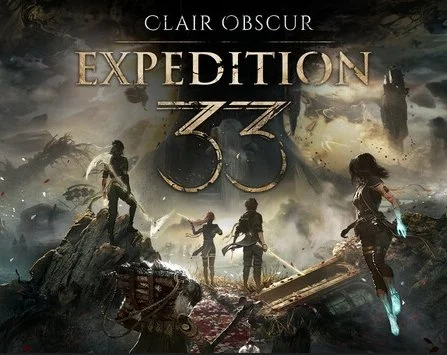
Expedition 33: AI Moral Outrage We’ve Seen Before
Expedition 33’s AI controversy isn’t new. From photography to word processors, creative moral panics repeat. Here’s why we’ve seen this before.

GTA6 vs. the Real America: Why Satire Cannot Keep Up With the News Cycle
The GTA 6 Satire Problem: The game faces a cultural shift where politics is beyond parody. Learn how Rockstar may change its tone, focus on character, and avoid timely references.

Game Pass Just Became Its Own Game… Backlog Simulator
Is Game Pass the best deal in gaming or just an endless backlog simulator? Explore the psychology of choice overload and how subscription services are changing the industry.

The Moral Ambiguity of Video Game Piracy
Explore the moral complexities of video game piracy, from ethical dilemmas and corporate accountability to the vital role of game preservation.

Decoding Gamer Motivation: A Critical Look at the Psychogenic Equilibrium Theory
Explore a critical review of the Psychogenic Equilibrium Theory of Gamer Motivation (PETGaMo) a ground-breaking framework that decodes why players game. Compare it with Bartle’s Taxonomy and Self-Determination Theory to see how PETGaMo bridges psychology and game design.

How Early Adopters of Video Games Get the Short End of the Stick
Discover why early adopters of video games often pay more for buggy, incomplete experiences. Explore the economic, psychological, and industry factors behind modern game launches—and how to avoid the early adopter trap.