
Here is our safe space for reflections, insights and thoughtful musings on topics related to anything and everything and not just psychology. It is not a formal academic outlet, but rather a casual and eclectic exploration of our interests and observations.


Racism and Tribalism: Vestigial Organs of Social Evolution?
Explore how racism and tribalism may be remnants of human social evolution—once survival mechanisms, now outdated behaviours hindering progress. A deep dive into their origins, modern impacts, and the potential for societal transformation.

What Your Favourite Influencers Say About You: Mapping Jungian Archetypes onto the Social‑Media Stage
Discover how Jungian archetypes shape social‑media influencers and what your feed reveals about you. Reflect on consumption patterns & craft a healthier scroll.

Stepping on a LEGO: A Self-Help Guide for Overcoming Life's Greatest Betrayal
Stepped on a LEGO? This satirical psychology guide walks you through the emotional recovery process—from pain to acceptance. A humorous take on trauma, healing, and plastic betrayal. (Published April 1st, of course.)

How Counting Cards Works
Learn how to count cards in Blackjack with this complete guide to the Hi-Lo system, strategy tips, legal insights, and expert advice for improving your odds at the casino.
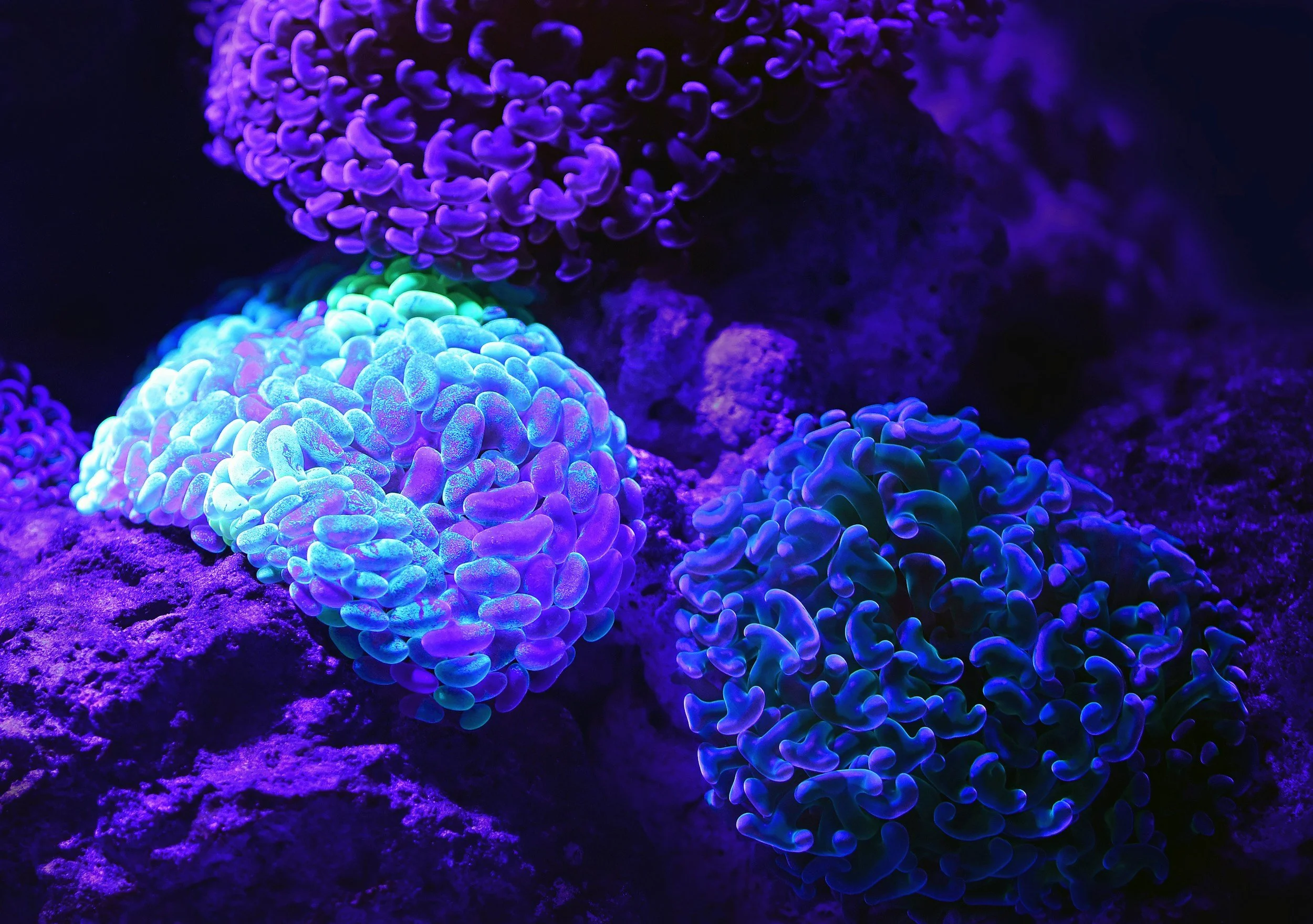
The Idea of Gradual Organic Consciousness Transfer via Neuroplastic Migration
Explore a ground-breaking concept for true consciousness transfer using neuroplasticity and brain-to-brain interfaces—offering a biologically plausible path to identity migration without digital replication.

How the ELIZA Effect Differs from Anthropomorphism: Understanding Human Tendencies in Human-Computer Interaction
Explore the key differences between the ELIZA effect and anthropomorphism in human-computer interaction. Learn how these psychological tendencies shape our relationships with AI and digital systems.

Simulated Subjectivity Grounded in Collective Objectivity: Exploring the Illusion of AI Experience
Explore how AI language models simulate human subjectivity through collective data, raising profound questions about consciousness, personality, and the future of artificial intelligence.

Humanity's Dual Nature: The Persistent Fragility of Morality
Are humans naturally good or prone to harm? This deep dive into history, psychology, and biology reveals why morality is fragile and must be constantly reinforced.

Language as a Predictor of Gender Equality
Discover how grammatical gender in language influences gender equality in society. Explore research on gendered languages vs. grammatically gender-neutral languages and their impact on social norms, stereotypes, and inclusivity.

How Scientific Terms Are Distorted in Everyday Language
Discover how scientific and psychological terms like "theory," "ego," and "quantum leap" are misunderstood in everyday language. Learn why precise language matters for scientific literacy, public trust, and clear communication.

What Would a Freudian Analysis of Freud Reveal?
Discover how Sigmund Freud’s core psychoanalytic concepts—from the Oedipus complex to the death drive—reveal intriguing insights about the father of psychoanalysis himself.

Victorian Social Hierarchy and Living Conditions Through the Lens of Maslow’s Hierarchy of Needs
Explore Victorian society via Maslow’s hierarchy, revealing how class shaped survival, security, and the quest for self-actualization.

AI Political Bias and Philosophical Orientation Through Comparative Analysis
Discover how AI models Gemini and ChatGPT-4o compare on the Pew Political Typology Quiz, unveiling insights into bias, neutrality, and informed moral clarity.

From Rats to Robots: What Little Albert Can Teach Us About Fear Conditioning in AI
Explore how the famous Little Albert experiment on fear conditioning connects to AI, emotional learning, and ethics. Can robots learn to "fear," and should they? Discover the parallels and dilemmas.

Cognitive Dissonance and the Floating Planet: When Facts Challenge Beliefs
Discover how cognitive dissonance shapes our thinking, and explore the surprising fact that Saturn could float on water—unpacking the science and psychology behind mind-bending truths.

Is the Classroom Environment Optimal for Learning?
Discover whether the traditional classroom environment is truly optimal for learning. Explore insights from cognitive psychology, educational research, and innovative teaching models to uncover the future of effective education.

Social Psychology: The Hidden Forces Shaping Our Behaviour
Discover the hidden forces shaping human behaviour with insights from social psychology. Learn about conformity, persuasion, prejudice, and how social influence impacts everyday decisions.

Tantra and Mindfulness: Exploring Their Similarities
Discover the shared foundations and unique paths of Tantra and mindfulness, exploring their benefits for awareness, emotional well-being, and spiritual growth.

Why Do Some People Associate Letters and Numbers with Colours (Synesthesia), but Others Don’t?
Discover the science behind synesthesia—why some people see colours in letters and numbers while others don’t. Explore its causes, genetics, and brain connections.

Could You Rewire Your Brain to Genuinely Enjoy Things You Hate?
Discover how to rewire your brain and train yourself to enjoy things you currently dislike! Learn the science behind neuroplasticity, dopamine reinforcement, exposure therapy, and cognitive reframing to shift your preferences and build better habits.