
Psychology of Videogames
Development - Characters - Gameplay
From the sacred rituals of online communities to the moral dilemmas of post-apocalyptic worlds, this section explores how games mirror — and shape — human psychology. Discover how cognition, emotion, identity, and storytelling collide in digital spaces, revealing what play can teach us about ourselves, our culture, and the worlds we build together.


Halo and the Halo Effect: Why We Keep Forgiving Cortana
Why do players keep forgiving Cortana, even at her worst? This article explores Halo, the halo effect, and how intelligence, intimacy, beauty, and vulnerability distort moral judgement in games.

Dispatch and the Problem of Conditional Redemption
Why does Dispatch feel almost perfect until the ending? A critical essay on restorative justice, hidden metrics, and moral dissonance in games.
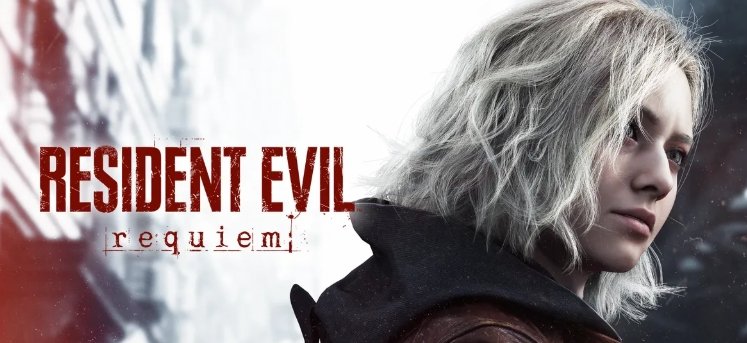
Why Resident Evil 9 Stops Being Scary Once You Notice the Bottles
A psychology-informed look at how Resident Evil 9 uses selective interactivity, and why Grace’s bottle mechanic weakens immersion, tension, and fear in survival horror.

Kim Kitsuragi: Externalised Executive Function in Human Form
An in-depth psychological analysis of Kim Kitsuragi in Disco Elysium, using the game as a case study to explain executive function, co-regulation, and cognitive support.