
Module 1: The Basics of Government
IN THIS LESSON
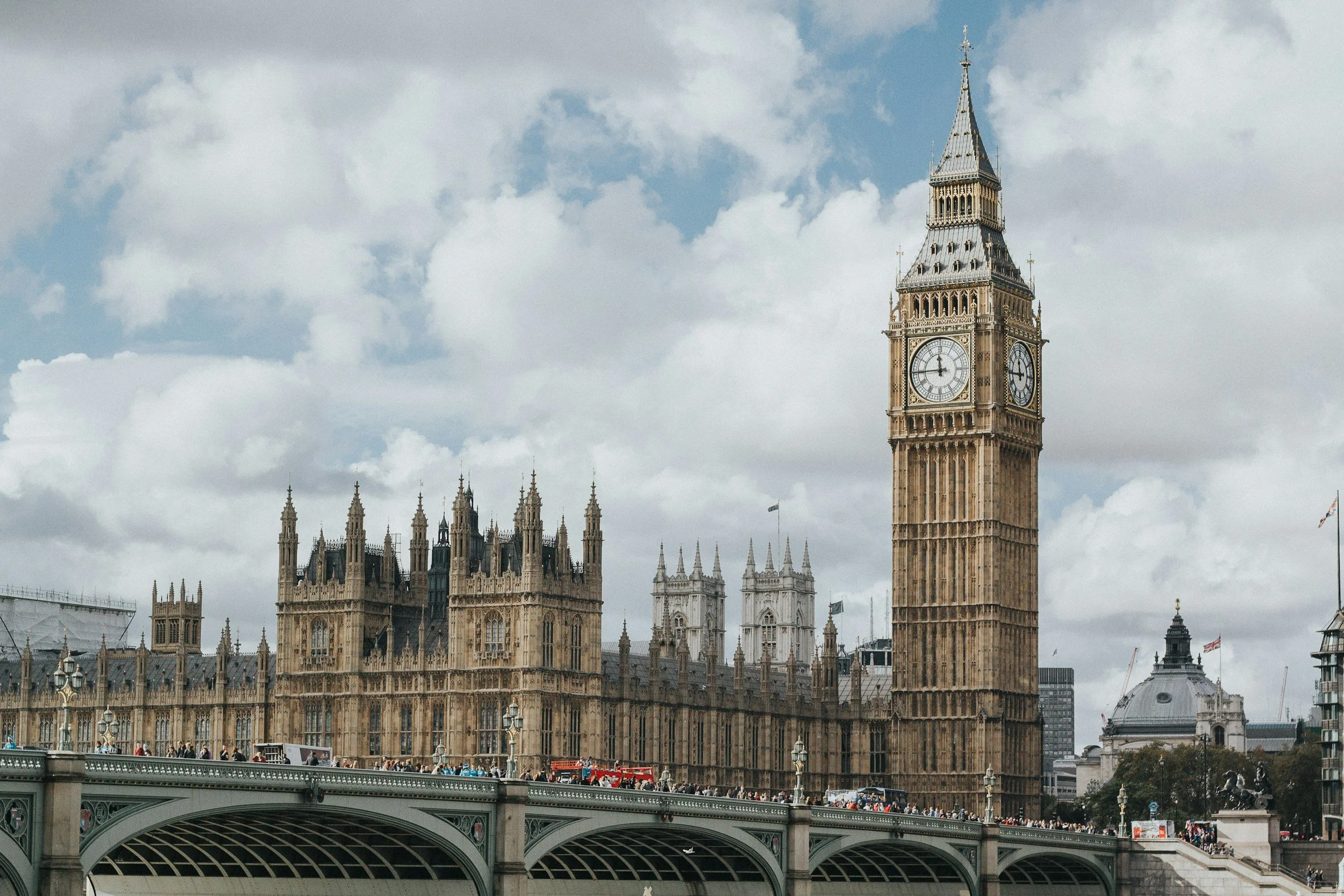
Imagine the government wants to pass a new law to change how schools are funded. A minister announces the plan, and the proposal begins its journey as a bill. It is debated in the House of Commons, amended, and voted on. If it passes, it moves to the House of Lords for further scrutiny. Once both Houses agree, the Monarch gives formal approval, known as Royal Assent, and the bill becomes law. This journey shows how power is shared, checked, and balanced within Parliament.
Core Lesson
The House of Commons
The Commons is the elected chamber and the central engine of law-making. Members of Parliament (MPs) are chosen by the public to represent local constituencies. The Commons debates government proposals, examines them in committees, and ultimately votes to accept or reject them. Because MPs are elected, the Commons has the strongest democratic authority. The Prime Minister and most ministers sit here, and the government survives only while it has the “confidence” of a majority of MPs.
The House of Lords
The Lords is unelected, but its role is important. Members, known as peers, include life peers appointed for their expertise, bishops of the Church of England, and a small number of hereditary peers. The Lords acts as a revising chamber: it reviews legislation, suggests amendments, and delays bills it finds problematic. Although the Lords cannot permanently block laws passed by the Commons, it can ask the Commons to think again, providing an additional layer of scrutiny.
The Monarch
The Monarch’s role is largely ceremonial. The Queen or King opens each new session of Parliament with a speech, formally appoints the Prime Minister, and gives Royal Assent to new laws. In practice, these acts follow convention: the Monarch does not refuse assent or choose Prime Ministers independently. The real political decisions are made in Parliament and by the government, but the monarchy symbolises continuity and tradition.
Checks and Balances
Together, these three elements form a balance. The Commons reflects the will of the people, the Lords provides revision and expertise, and the Monarch represents continuity. While the Commons dominates, the other institutions act as safeguards, ensuring that laws are not rushed and that tradition remains part of the process.
FAQ
Q: Does the Monarch have real power?
A: Not in a political sense. The Monarch acts on the advice of the government and exercises powers as part of established conventions. Refusing Royal Assent, for example, has not happened since the early 18th century.
Q: Why keep the Lords if it is unelected?
A: Supporters argue that the Lords adds expertise and careful review, free from electoral pressure. Critics see it as undemocratic and call for reform. Efforts to modernise the Lords continue to be debated.
Government Quiz
Test your knowledge on the UK's parliamentary system, the Monarchy, and the Houses of Parliament.
There are 4 questions in this quiz. Good luck!
Quiz (Question 1 of 4)
Quiz Results 🏆
Round-Up
Parliament works through the combined efforts of the Commons, the Lords, and the Monarch. The Commons provides democratic legitimacy, the Lords offers revision and expertise, and the Monarch carries out ceremonial duties. Together they form a system where laws are debated, reviewed, and finalised, balancing power between democratic representation, careful scrutiny, and historic tradition. Understanding this structure is key to making sense of how political decisions are made in the UK.