
Module 6: Taking Action
IN THIS LESSON
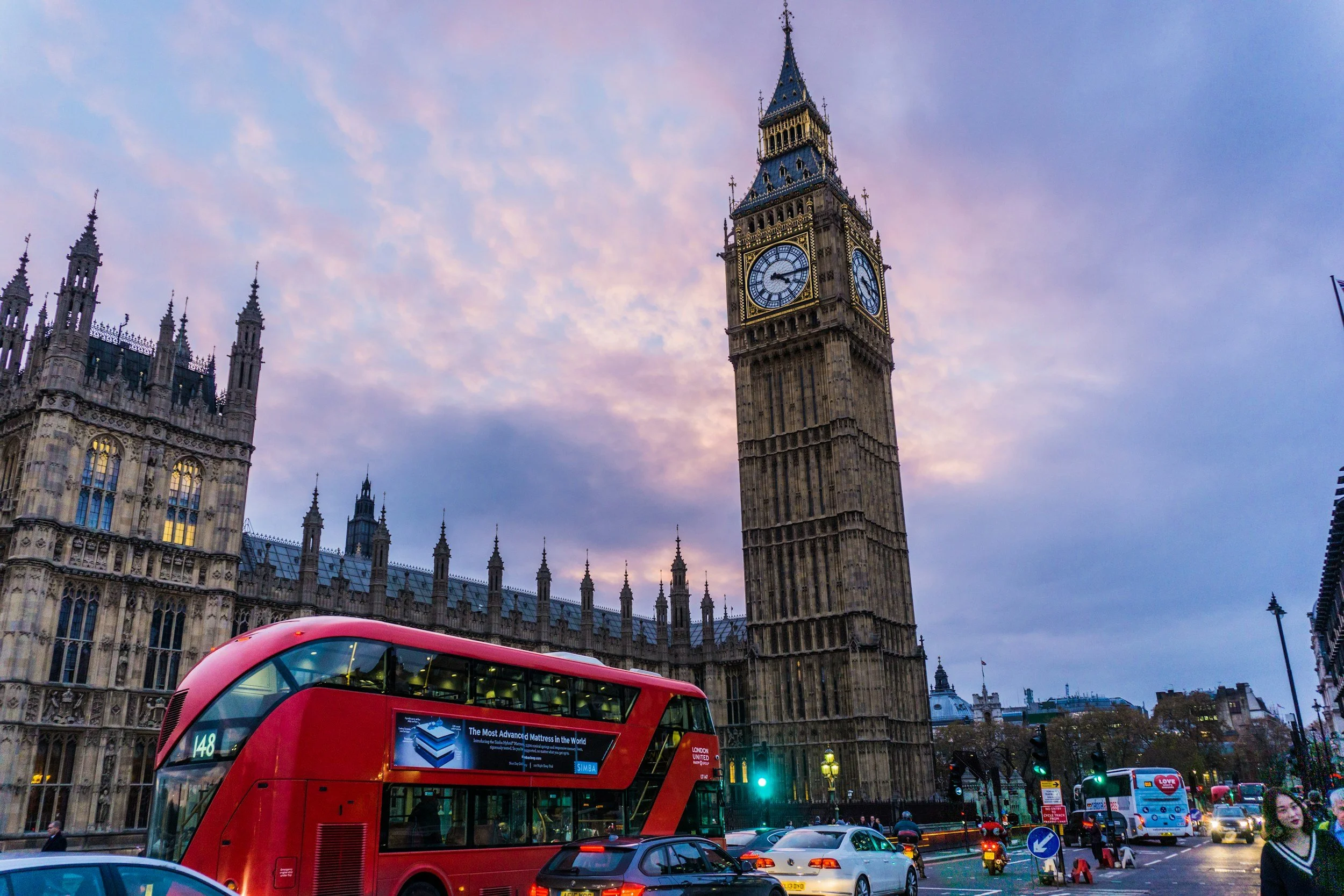
Imagine waking up, scrolling the morning news, voting in a local council election, chatting with a colleague about an issue at work, and later signing a petition you saw online. None of these actions may feel dramatic, yet together they reflect political literacy in everyday life. Democracy is not only shaped in Parliament or on the steps of Downing Street. It is lived out in daily choices, conversations, and decisions that influence how society works.
Core Lesson
Politics in Daily Life
Politics is not confined to elections or big national debates. It is in the cost of your bus fare, the recycling rules in your street, the funding of your local school, and the way your workplace treats staff. Recognising the political dimension of these everyday issues is the first step in becoming a politically literate citizen.
Everyday Choices as Political Acts
Choosing where to shop, what media to read, or even how to spend your time can carry political weight. Supporting local businesses, boycotting products, or sharing information online are ways individuals signal values. These actions may not change the system overnight, but collectively they influence culture, policy, and priorities.
Conversations and Community
Talking about politics with friends, family, or colleagues helps normalise engagement. Political literacy grows when people share ideas, challenge each other, and listen across differences. Communities that talk openly about politics tend to be better informed and more resilient to misinformation.
Building Habits of Engagement
Small habits add up: reading beyond headlines, checking who owns the media you consume, questioning statistics in speeches, and voting consistently at all levels. Political literacy is less about memorising facts and more about developing the habit of critical awareness. Over time, these habits strengthen both individual confidence and the health of democracy.
Pros and Cons
Strengths of Everyday Political Literacy
Empowers individuals to see their role in shaping society.
Builds resilience against manipulation and misinformation.
Strengthens communities through dialogue and awareness.
Challenges
Can feel overwhelming in a world saturated with information.
Risk of cynicism if citizens only see flaws without pathways for change.
Unequal access to information and resources can widen gaps in engagement.
Everyday Political Literacy FAQ
Q: Do small actions really matter?
A: **Yes**. One vote, one conversation, or one act of scrutiny may seem minor, but **together they build democratic culture and influence broader trends**.
Q: What if I feel powerless as an individual?
A: Remember that democracy is **collective**. When **thousands of small actions align**, they create significant pressure for change.
Q: How can I improve my everyday political literacy?
A: By making **critical thinking a habit**: read diverse sources, check claims, stay curious, and engage respectfully with others.
Q: Is political literacy only for people interested in politics?
A: **No**. Politics touches housing, health, education, work, and more. Everyday political literacy **equips everyone to navigate those realities with confidence**.
Everyday Political Literacy Quiz
Test your understanding of the importance of continuous learning and small actions in democracy.
There are 5 questions in this quiz. Good luck!
Quiz (Question 1 of 5)
Quiz Results 🏆
Round-Up
Everyday political literacy is about recognising that politics is not separate from life. It is in our conversations, our choices, our media, and our communities. By building habits of awareness and critical thinking, individuals contribute to a stronger democracy. Even small acts matter, because together they shape how power is distributed and how society evolves.