
Health & Wellbeing
Mental - Physical - Spiritual
Mind, body, and spirit in a changing world.
From burnout to belonging, this section explores how modern life shapes mental, physical, and spiritual health. Discover evidence-based insights and critical reflections on therapy, nutrition, neurodiversity, and mindfulness — all aimed at helping us live with greater awareness, compassion, and balance.


The Hidden Western Bias in CBT
Is CBT a global gold standard or a cultural export? Examine the hidden Western bias in Cognitive Behavioral Therapy (CBT). Learn how its focus on rational individualism clashes with collectivist worldviews, somatic distress, and hierarchy. This article argues that to be truly effective, CBT must be decolonized and culturally adapted—challenging the "evidence-based" narrative built on WEIRD populations.

Considerations When Contemplating Teenage Therapeutic Pathways
Learn how to choose the right therapy for teens, why collaboration matters, and how self-directed approaches build trust and engagement.

Why Cognitive Behavioral Therapy Can Feel “Conservative-Coded”
Explore why Cognitive Behavioral Therapy can feel “conservative-coded,” how moral psychology shapes receptivity, and ways to make CBT more inclusive.

The Five Stages of Grief: Great for Narratives, Bad for Therapy
The five stages of grief (DABDA) offer narrative comfort, but lack empirical support. Learn why this model can pathologize normal grief and see the modern alternatives.
Resilience Skills That Counteract Trauma Narratives
Discover five resilience skills that counteract trauma narratives. Learn how reframing, emotional regulation, meaning-making, connection, and agency foster healing and growth.

Am I Traumatized, or Just Human? Five Questions to Ask Yourself
Not every painful experience is trauma. Learn five reflective questions to help you distinguish between trauma and ordinary human struggle, and discover when to seek support.

Resilience vs. Fragility: Which Story Do We Tell Ourselves?
Do we see ourselves as fragile or resilient? Explore how the stories we tell about suffering shape identity, coping, and growth, and learn how to choose resilience without denying pain.

The Trauma Industry: How Culture Profits from Pathologizing Distress
Explore how trauma has become a cultural and commercial industry. Learn why the commodification of suffering risks pathologizing everyday life and how we can protect the true meaning of trauma.

When Stress Becomes Trauma: Are We Pathologizing Everyday Life?
Are we pathologizing everyday life by calling stress “trauma”? Learn why distinguishing stress from trauma matters, and how accurate language can foster both compassion and resilience.

Manufactured Trauma: The Risks of Pathologizing Ordinary Distress
Explore the risks of manufactured trauma—when over-diagnosis, suggestion, and cultural narratives transform ordinary distress into pathology. This essay offers a critical, ethical guide for clinicians and society.

The Psychology of Chosen Family: Building Support Networks in LGBTQIA+ Communities
Discover the psychology of chosen family in LGBTQIA+ communities. Learn how support networks foster resilience, belonging, and mental health beyond traditional family structures.

Sleep and Creativity: How Better Rest Can Boost Innovation and Problem-Solving
Discover how sleep enhances creativity and problem-solving. Learn the science of sleep and the practical ways rest fuels innovation, focus, and mental clarity.

Psychology of Food Cravings: Why We Crave Sugar, Salt, and Comfort Foods
Discover the psychology of food cravings. Learn why we crave sugar, salt, and comfort foods, and explore science-backed strategies to manage cravings for better health and wellbeing.

The Role of Spirituality in LGBTQIA+ Wellbeing
Explore how spirituality supports LGBTQIA+ wellbeing beyond religion. Discover how inner strength, mindfulness, and community practices foster resilience and belonging.

Mindful Dating: Using Psychology and Meditation to Build Meaningful Relationships
Discover how mindfulness and psychology can transform modern dating. Learn how mindful dating improves connection, reduces anxiety, and helps build meaningful relationships.

How Gut Health Shapes the Brain: The Microbiome-Mental Health Connection
Explore how gut health shapes the brain through the microbiome. Learn how diet, probiotics, and lifestyle affect anxiety, depression, and cognitive function.

Neurodiversity at Work: Supporting Employees with Dyslexia, ADHD, and Autism
Discover how workplaces can support neurodiverse employees with dyslexia, ADHD, and autism. Learn strategies to create inclusive, productive environments where all talents thrive.

The Psychology of Digital Detox: Can Unplugging Actually Reduce Anxiety?
Does a digital detox really reduce anxiety? Explore the psychology behind screen breaks, social media use, and how unplugging can improve mental health in a hyper-connected world.

How Climate Anxiety Impacts Mental Health: Coping Strategies for a Warming World
Discover how climate anxiety impacts mental health, from eco-anxiety and stress to resilience and action. Learn coping strategies for managing environmental concerns in a warming world.
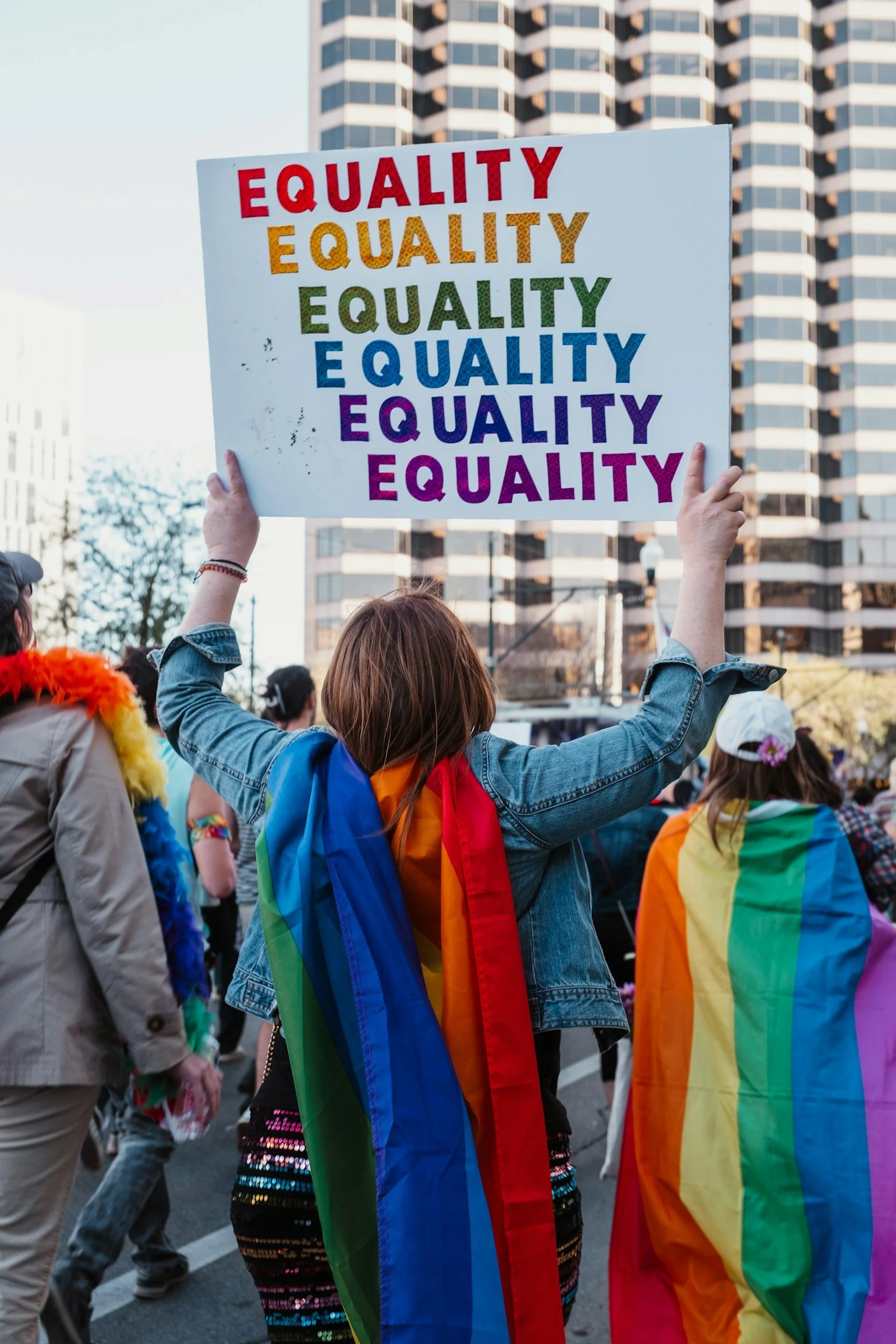
LGBTQIA+ as Part of the Universal Fabric of Humanity
Evidence shows that LGBTQIA+ people are not outsiders to humanity but part of its universal fabric. Across time and places, diverse sexualities and genders have existed. Across different species, same-sex behaviour is natural. Across cultures, gender categories extend far beyond the binary.