
The UK Under-16 Social Media Ban Is Coming. Parents Should Not Wait for the Law to Do the Parenting.
The UK government has now set out plans to ban under-16s from using certain social media platforms from Spring 2027. The details will matter, because they always do, especially when law meets technology and teenagers with five minutes, Wi-Fi and a heroic contempt for rules.
But the direction is clear enough. The government wants to restrict under-16s from the social media platforms most associated with algorithmic feeds, public posting, livestreaming, stranger contact and addictive scrolling. Children will still be able to use the internet for learning, news, games and staying in touch with friends and family. This is not supposed to be a ban on childhood entering the digital world. It is supposed to be a limit on the parts of the digital world that have become, to use the technical term, an absolute psychological trash fire.
And parents should start preparing now.
Not because the police are about to kick the door in over a Year 8 Snapchat streak. They are not. The point is that if the law comes in before families have changed their routines, the whole thing becomes a miserable domestic battle. Phones get confiscated. Children feel punished. Parents become unpaid enforcement officers for legislation they only half understand. Everyone ends up cross, tired and staring at a router like it personally betrayed them.
The smarter move is to use the next year as a transition period.
Why This Is Happening
The basic problem is not “screens.” That word has become almost useless. A child watching a maths video, messaging a cousin, playing Minecraft with known friends, doomscrolling TikTok at midnight, and being contacted by a stranger on a livestream are not doing the same psychological thing.
The issue is social media as an environment.
Modern platforms are not passive noticeboards. They are behaviour-shaping systems built around attention capture. They reward novelty, emotional intensity, social comparison, outrage, sexualisation, performance, status anxiety and the lovely adolescent pastime of checking whether everyone else is having a better life. The algorithm does not hate children. That would almost be reassuring. It simply does not care about them in any human sense.
For adults, that is bad enough. For children and adolescents, the risks are sharper because the systems are landing during a period when identity, impulse control, emotional regulation, body image, social belonging and status sensitivity are all still developing. The adolescent brain is not “broken,” despite what lazy adult commentary sometimes implies. It is adaptive, social, reward-sensitive and highly tuned to peer evaluation. Social media did not invent that. It industrialised it.
The Data Is Not Perfect, But It Is Not Nothing
The UK government’s own consultation found strong support from parents, with around nine in ten backing a social media ban for under-16s. It also found that around two-thirds of young people agreed that under-16s should not be allowed to use at least some social media platforms.
That last point is worth sitting with. This is not only adults being nostalgic for a childhood that also included plenty of boredom, bullying and weirdly dangerous playground equipment. Many young people know the online environment is not working well for them.
There is also a large gap between platform age rules and real life. The government has reported that 81% of 10 to 12-year-olds use at least one social media app or site, despite many services already claiming to have minimum ages. In other words, the current system is not a safety system. It is a theatre production about safety, performed mostly through date-of-birth boxes and corporate sighing.
Ofcom has also found that children’s online time is substantial. Children aged 8 to 14 spend around one day a week online, rising to around two days a week for 15 to 17-year-olds. Nearly three-quarters of 11 to 17-year-olds said they had seen harmful content online, and more than a third said they had seen harmful content while scrolling through feeds.
International data points in the same direction. WHO Europe reported that problematic social media use among adolescents rose from 7% in 2018 to 11% in 2022. The US Surgeon General has also warned that adolescents using social media for more than three hours a day face roughly double the risk of poor mental health outcomes, including symptoms of depression and anxiety.
None of this proves that every child who uses social media will be harmed. That is not how psychology works, despite the internet’s deep commitment to pretending otherwise. But it does suggest that we are no longer dealing with a harmless hobby. We are dealing with a large-scale developmental environment, designed by companies whose profits increase when attention is captured for longer.
That should make us cautious.
Is the Ban a Good Idea?
In principle, yes.
Not because law can solve adolescence. It cannot. Adolescence is famously resistant to clean administration. But law can shift norms.
At the moment, many parents are stuck in a collective action problem. One household may want to delay social media, but if every friendship group, class chat and party invitation appears to run through an app, saying no becomes socially expensive. The child feels excluded. The parent feels cruel. The platform wins without needing to argue.
A legal age limit gives parents cover. It changes the social default from “your parents are strict” to “this is not supposed to be for your age group.” That distinction is psychologically powerful. Children are much more likely to accept limits when those limits feel shared, predictable and external, rather than personally targeted.
The ban may also force platforms to stop hiding behind useless age checks. If underage access becomes a regulatory problem rather than a public relations inconvenience, companies will have to build systems that work better than asking a twelve-year-old to confirm they were born in 1987.
But the ban is not automatically good in every form.
A crude version could push children into less visible spaces. It could make some teenagers more secretive. It could create privacy risks through clumsy age verification. It could cut off vulnerable young people who rely on online communities because offline life is isolating, hostile or simply unavailable. Disabled children, LGBTQ+ young people, neurodivergent children and geographically isolated children may all use online spaces for support, identity and friendship.
That does not mean we abandon regulation. It means we stop pretending one rule can carry the full weight of childhood, technology, loneliness, capitalism and puberty. Which, admittedly, would be convenient.
What Parents Should Do Now
The first step is not to announce a household crackdown. Start with an audit.
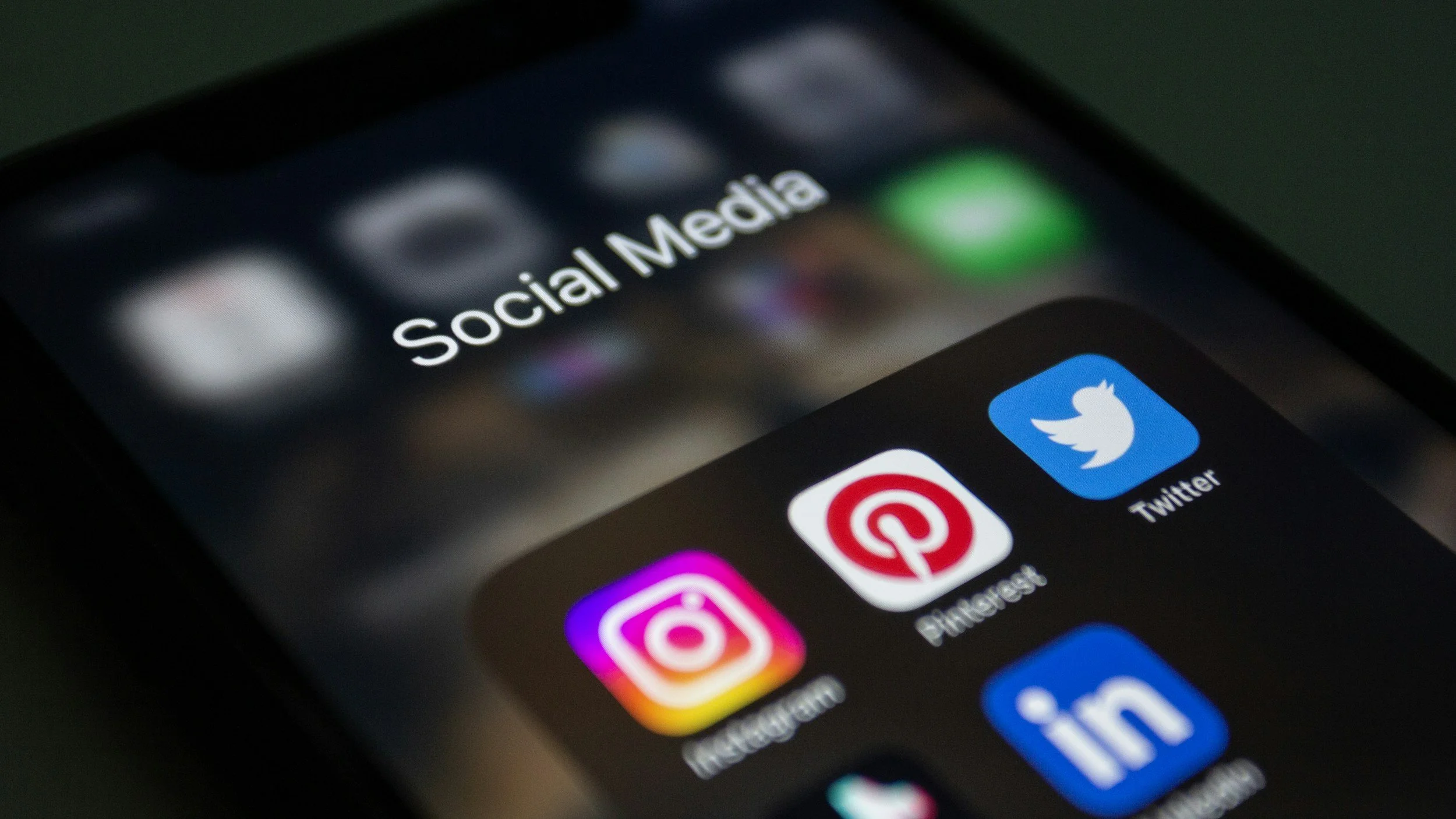
List what your child actually uses: TikTok, Snapchat, Instagram, YouTube, Discord, WhatsApp, Roblox, Fortnite, livestreaming platforms, AI chatbots, gaming chats, alt accounts and school group chats. Do not assume you know. Ask calmly. The aim is not to catch them out. The aim is to understand the ecosystem.
Then sort the risks by function rather than app name.
The biggest questions are:
Does it have algorithmic feeds?
Can strangers contact them?
Can they livestream?
Can they post publicly?
Are messages disappearing?
Is it used late at night?
Is it tied to school friendship politics?
Does it make them feel worse after using it?
That last question is often more revealing than any parental lecture.
Next, start building replacements. If your child uses social media mainly to keep in touch with known friends, help them move that contact into safer channels. Known-contact messaging, family-approved group chats, school platforms, clubs, moderated communities and actual phone numbers may sound boring, but boring is underrated in child safety. Quite a lot of civilisation is just making dangerous things slightly more boring.
Families should also agree on a few rules before the law arrives. Phones out of bedrooms overnight. No social feeds during homework. No unknown adult contact. No livestreaming. Privacy settings reviewed together. A clear agreement that if something frightening, sexual, bullying or manipulative happens online, the child can tell an adult without the first response being immediate punishment.
That last part is crucial. Children hide problems when they believe honesty will cost them connection, privacy or dignity. A parent who wants to know what is happening online has to be safer than the screen.
The Psychology Parents Need to Understand
Children do not simply “choose” social media in the same way they choose toast. Platforms are designed around reward loops.
A like, message, comment or new video creates a small uncertainty-based reward. Sometimes something happens. Sometimes it does not. That unpredictability keeps people checking. Adults fall for this constantly, often while giving speeches about children needing more discipline.
For young people, the reward is social as much as technological. They are not just checking content. They are checking belonging. Am I included? Am I ignored? Am I attractive? Am I funny? Am I being talked about? Have I missed something? Am I safe in the group?
This is why “just turn it off” often fails. To the adult, the child is leaving an app. To the child, they may feel they are leaving the social room.
So parents need to reduce the social cost of stepping back. Coordinate with other parents where possible. Encourage offline meetups, clubs and shared routines. Give children alternative ways to belong. Do not remove the digital group and then act surprised when the child is angry, lonely and theatrically oppressed.
What Is Likely to Happen?
The best outcome is a norm shift. Under-16 social media use becomes less automatic. Parents feel less alone. Platforms are forced to build better age systems. Children get more sleep, fewer algorithmic rabbit holes and less exposure to stranger contact and harmful feeds.
The realistic outcome is messier.
Some children will comply. Some will work around it. Some will use older siblings’ accounts, VPNs, borrowed devices or fake details. Some activity will move into gaming, messaging apps and smaller online spaces. That may reduce some harms while creating new ones.
The ban will probably help most where parents, schools and communities use it as a starting point rather than an excuse to stop thinking. The families who benefit most will be the ones who prepare early, explain the reasons, protect sleep, keep communication open and replace risky digital spaces with safer forms of connection.
The worst outcome would be treating the ban as a substitute for parenting. It is not. It is a policy tool. A blunt one, but possibly a useful one.
Parents should support the direction while staying alert to the details. The aim should not be to make children afraid of the internet. The aim should be to stop pretending that childhood can be safely handed over to systems built to monetise attention, status anxiety and emotional reactivity.
That is not anti-technology. It is pro-child.
And frankly, it is overdue.
References
GOV.UK. Fact sheet: New rules to protect children online.
GOV.UK. Growing up in the online world: A national conversation.
Ofcom. Children’s media use and attitudes / Online Nation reporting.
WHO Europe. Teens, screens and mental health.
U.S. Surgeon General. Social Media and Youth Mental Health advisory.
Table of Contents






Parties can be fun, awkward, noisy, overwhelming, or all of those within ten minutes. This article explores the psychology of social gatherings, small talk, social anxiety, sensory overload, conversation, exits, and the quiet strategic value of the snack table.