
Health & Wellbeing
Mental - Physical - Spiritual
Mind, body, and spirit in a changing world.
From burnout to belonging, this section explores how modern life shapes mental, physical, and spiritual health. Discover evidence-based insights and critical reflections on therapy, nutrition, neurodiversity, and mindfulness — all aimed at helping us live with greater awareness, compassion, and balance.


Can I "Overthink" Myself Into Being Happy?
Can overthinking make you happy? Discover the psychology of happiness, why chasing it can backfire, and how to cultivate joy through presence and action.

Tantra and Mindfulness: Exploring Their Similarities
Discover the shared foundations and unique paths of Tantra and mindfulness, exploring their benefits for awareness, emotional well-being, and spiritual growth.

Can Therapy Help If I Feel Like My Life Is "Fine," But I Still Feel Off?
Feeling "off" even though life seems fine? Discover how therapy can help with languishing, stress, and emotional growth before small struggles turn into bigger issues.

Why Do I Get Anxious About Answering Phone Calls but Not Texts?
Discover why phone calls trigger anxiety while texting feels easier. Learn the psychology behind it and get practical tips to overcome phone call anxiety.

Is It Normal to Feel Emotionally Exhausted After Scrolling Social Media?
Feeling emotionally exhausted after scrolling social media? You're not alone. Learn the science behind social media fatigue—cognitive overload, emotional contagion, dopamine depletion, and comparison fatigue—and discover practical strategies to protect your mental well-being.

Why Do Some People Associate Letters and Numbers with Colours (Synesthesia), but Others Don’t?
Discover the science behind synesthesia—why some people see colours in letters and numbers while others don’t. Explore its causes, genetics, and brain connections.

Could You Rewire Your Brain to Genuinely Enjoy Things You Hate?
Discover how to rewire your brain and train yourself to enjoy things you currently dislike! Learn the science behind neuroplasticity, dopamine reinforcement, exposure therapy, and cognitive reframing to shift your preferences and build better habits.

What Does Déjà Vu Actually Mean, and Why Does It Happen?
Explore the science behind déjà vu, its psychological and neurological causes, and the theories that attempt to explain why it happens.

If Someone Has Amnesia, Are They Still the Same Person?
Does amnesia change who you are? Explore the impact of memory loss on personal identity through psychology, neuroscience, and real-life case studies. Learn how personality, emotions, and social connections shape identity beyond memory.

Why Do We Sometimes Feel Like We’re Watching Ourselves in Third Person?
Discover why we sometimes feel like we're watching ourselves in third person. Explore the psychology, neuroscience, and triggers behind this eerie sensation.

Can You Train Your Brain to Think in a Different Language Even If You’re Not Fluent?
Learn how to train your brain to think in a new language—even before fluency! Discover neuroscience-backed strategies for immersion, memory, and cognition.

If Everyone Has an Internal Monologue, Do Some People “Hear” Different Voices in Their Heads?
Explore the science of internal monologues, multiple inner voices, and their connection to creativity, metacognition, and mental health in this insightful guide.

Could a Blind Person Dream in Colour If They’ve Never Seen Before?
Do blind people dream in colour? Discover how blindness affects dreams, whether congenitally blind individuals experience visual dreams, and how other senses shape their dream world. Explore scientific research, first-hand accounts, and neurological insights.

Teaching Psychology to Kids: How to Make the Mind Fun
Make psychology fun for kids! Explore engaging activities, games, and lessons to teach emotional intelligence, empathy, and critical thinking in children.
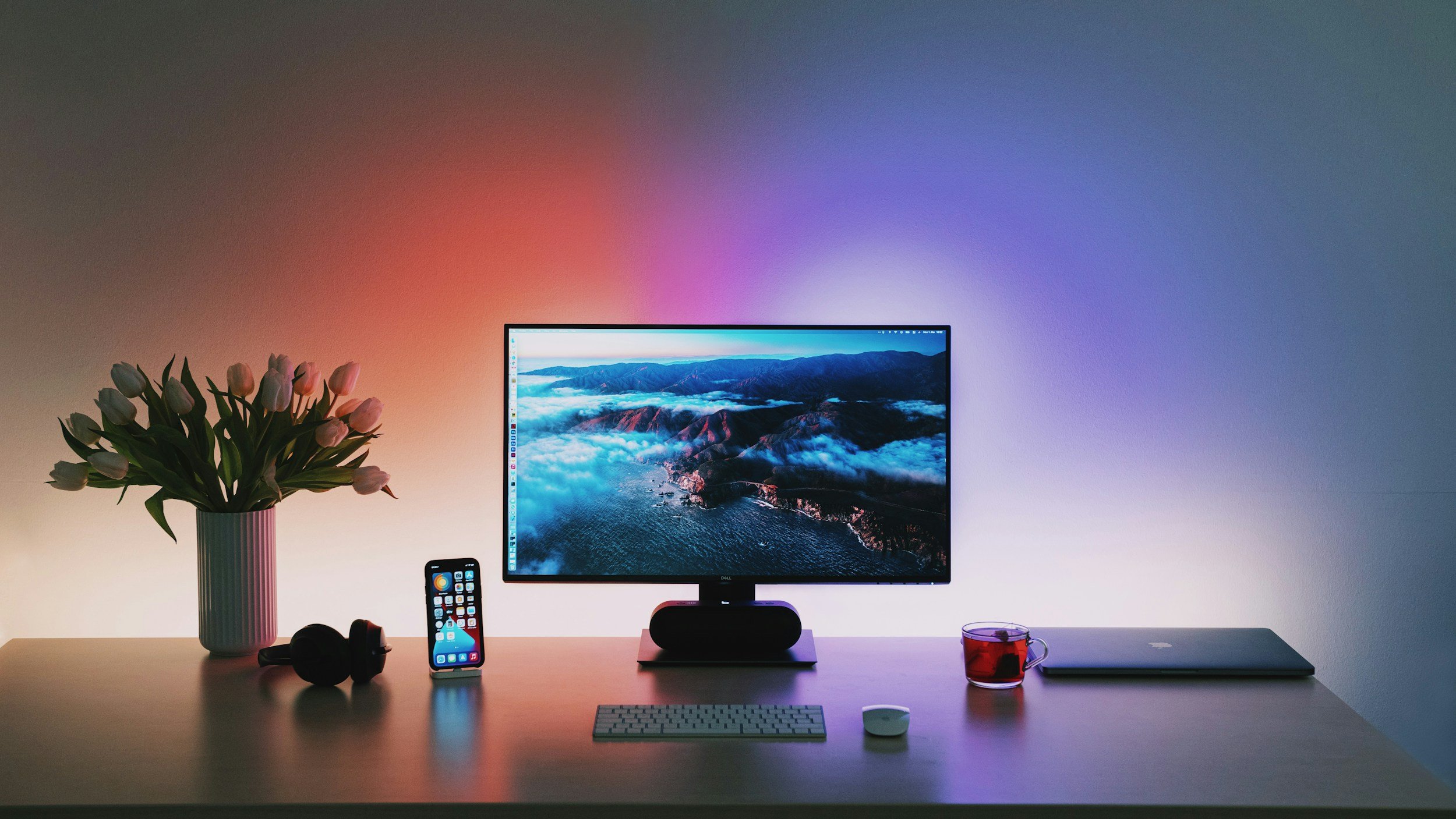
Incorporating Feng Shui into Digital Spaces: Balancing Energy in a Virtual World
Discover how Feng Shui can harmonize your digital spaces, boost productivity, and create balance in UI/UX layouts, desktops, and apps.

Valentine’s Day: Adding Romance to the World or Intensifying Loneliness?
Valentine’s Day can make love feel visible, pressured, commercial, joyful or painfully absent. This article explores the psychology of romance, loneliness, social comparison, couple expectations and supermarket roses.
Growth Mindset: Unlocking the Power of Belief in Potential
Discover the power of Carol Dweck’s growth mindset theory and how it transforms learning, motivation, and success. Explore key research, practical applications in education, workplaces, and personal growth, and uncover common misconceptions. Learn how to develop a resilient, success-driven mindset today!
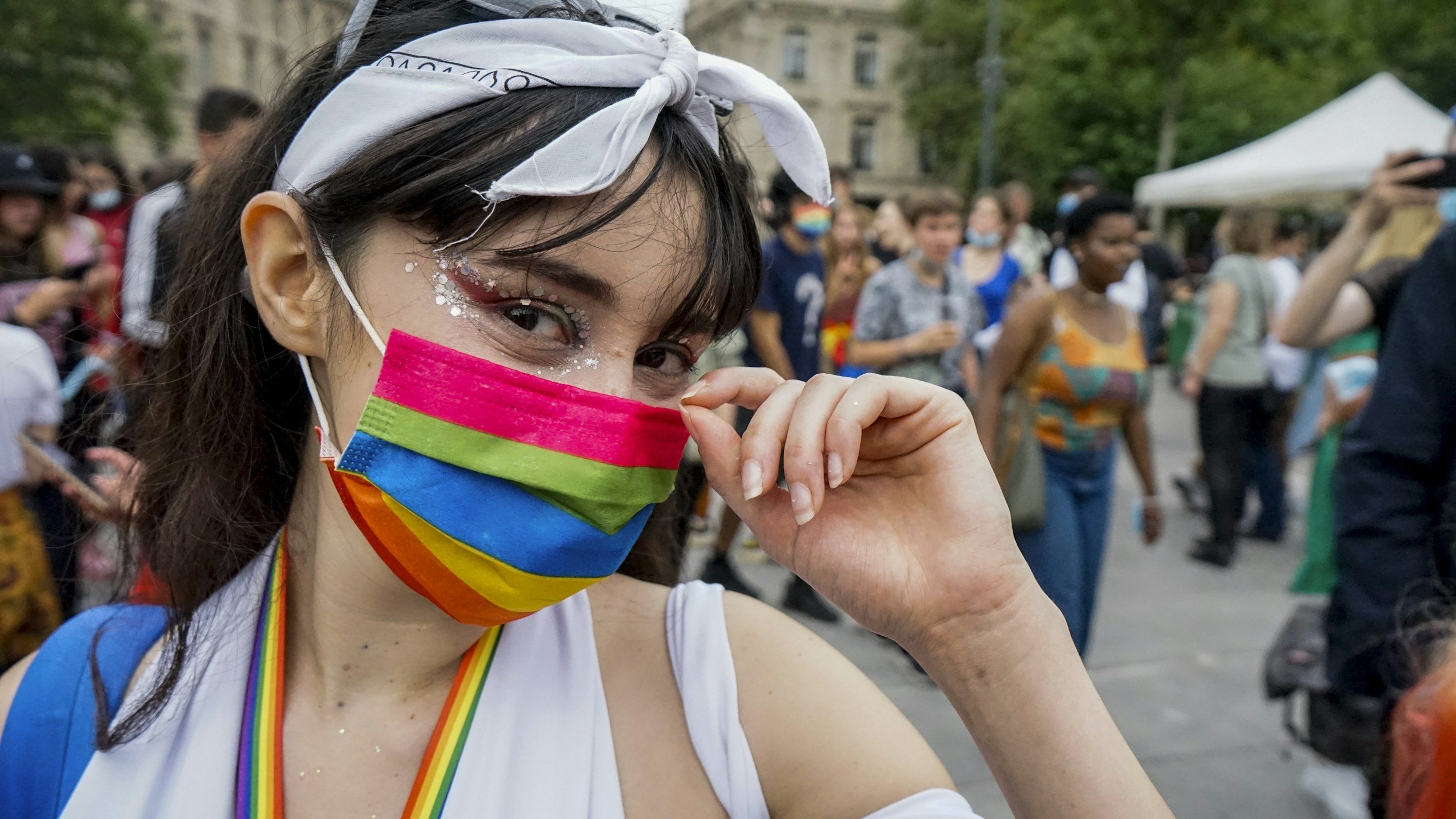
The Evidence-Based Ally: What Research Can and Cannot Do
Evidence-based allyship means supporting LGBTQIA+ people with compassion, accuracy and humility. This article explains how research can help allies understand minority stress, discrimination, healthcare, misinformation and the limits of evidence.

The Subtle Art of Setting Boundaries Without Feeling Guilty
Learn how to set boundaries without feeling guilty with practical tips and personal insights. Discover the art of self-care, building confidence, and protecting your well-being while maintaining healthy relationships.

Beyond Words: Designing a Counselling Room to Enhance Therapeutic Outcomes
Discover how the layout, décor, and ambiance of a counselling space influence therapeutic success. Learn practical tips for creating a safe, accessible, and nurturing environment that promotes client comfort and fosters personal growth.